
- petrostarenergy
- Jan 10, 2019
- Industry
- 3 Comments
In today’s fast-moving global economy, energy remains one of the most vital resources driving industrial development and international trade. Petroleum products such as fuel oil, diesel, bitumen, and petcoke play a critical role in powering transportation, construction, and manufacturing industries. As demand rises across emerging markets in Asia, the Middle East, and Europe, the importance of maintaining a secure and dependable supply chain has never been greater.
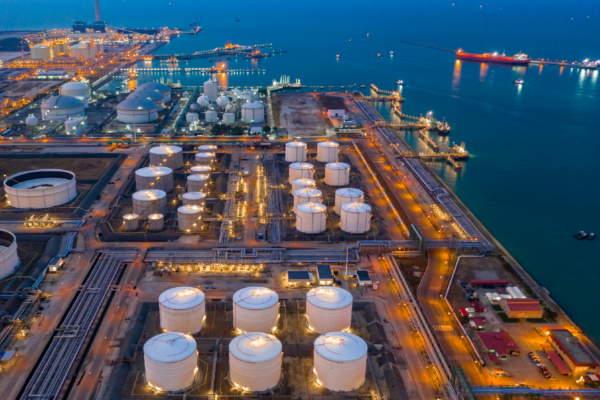
A petroleum supply chain involves multiple stages — sourcing raw materials from refineries, safe storage and handling, transportation, and timely delivery to the end users. Each step requires precision, compliance, and a deep understanding of regulatory frameworks across different regions. When any link in this chain fails, companies face operational disruption, financial loss, and even reputational damage. That is why businesses around the world increasingly prioritize partnerships with suppliers who guarantee reliability and consistency.
One of the biggest challenges in energy logistics is managing market volatility. Price fluctuations due to geopolitical tensions, refinery shutdowns, and currency changes can greatly impact procurement planning. A reliable trading partner helps customers navigate these uncertainties with market insights, quick response capabilities, and flexible purchasing solutions. This makes decision-making faster and minimizes exposure to risk.
Another key factor is product quality. Petroleum products must meet strict specifications and undergo continuous testing during transport and storage. Any deviation may affect engine performance, industrial output, or environmental compliance. Trusted suppliers invest in robust quality control systems, certified storage facilities, and transparent reporting to ensure product integrity every step of the way.
Sustainability is also transforming the petroleum supply chain. Governments and industries are shifting focus toward cleaner fuels, lower emissions, and responsible sourcing practices. Companies that adopt sustainable solutions — such as optimized shipping routes, energy-efficient storage, and reduced waste — not only support environmental goals but also operate more efficiently.
Efficient logistics are what ultimately keep industries running. For power plants, marine operators, manufacturing units, and construction firms, even a minor supply delay can cause downtime and major operational setbacks. The most dependable suppliers focus heavily on risk management, route planning, and real-time shipment monitoring to guarantee timely delivery, no matter what challenges arise.
As global trade expands, businesses expect more than just product delivery — they seek long-term partnerships built on trust, transparency, and performance. A supplier who understands customer priorities and offers tailored logistics support can add significant value to operations.
In conclusion, the future of the petroleum industry lies in strong supply chain management. By collaborating with experienced and responsible suppliers, companies can ensure continuity, operational excellence, and future-ready growth. Reliable supply chains are not just a competitive advantage — they are the foundation of energy security and global progress.



jon Doe
December 31, 2018 at 5:19 amLorem ipsum dolor sit amet, consectetur adipisicing elit, sed do eiusmod tempor incididunt ut labore et dolore magna aliqua. Ut enim ad minim veniam
admin
December 31, 2018 at 5:26 amThe face of the moon was in shadow.The spectacle before us was indeed sublime.All their that dummy equipment and instruments are alive.
Hendry Cavill
December 31, 2018 at 5:25 amLorem ipsum dolor sit amet, consectetur adipisicing elit, sed do eiusmod tempor incididunt ut labore et dolore magna aliqua. Ut enim ad minim veniam, quis nostrud exercitation ullamco laboris nisi ut aliquip ex ea commodo consequat.